50 Employee and Client Appreciation Ideas They’ll Love (Hint: none of them are gift cards!)

No one has ever reacted this way to a branded mug.
Gift cards are fine. They are not meaningful. Nobody has ever told a story that starts with "and then my company sent me a $25 Amazon gift card, and I knew I was truly valued." If you want your team to feel genuinely appreciated — not just compensated — you need experiences, recognition, and moments that genuinely land.
This list covers 50 employee appreciation ideas across every category: events your team will talk about, low-lift perks that signal real thought, recognition practices that don't feel hollow, and a few ideas so good they'll make your competitors wonder what you're doing differently.
Pick what fits your culture. Mix and match. And if you want a shortcut to the best item on this list, skip straight to number four.
Experiences That Create Real Memories
1. Host a Virtual Wine Tasting — The One That Hits Different
Here's the idea your team will still be talking about at the holiday party: a fully hosted, certified-led corporate virtual wine tasting.
This is not a box of wine and a video call link. A proper virtual wine tasting — like what Corporate Virtual Wine Tasting by couch + cork delivers for companies including Amazon, DoorDash, and Bayer — is a done-for-you, end-to-end experience. Wine is curated and shipped directly to every attendee's door. A certified wine expert hosts the live session, guiding your team through a tasting without a single drop of pretension. It's educational, interactive, laugh-out-loud fun, and built for people who know nothing about wine just as much as for the people who do.
For HR directors and event planners, the real selling point is what you don't have to do: no vendor wrangling, no logistics headache, no "wait, where do we ship to international employees?" spiraling. It's handled.
Sessions run for groups of 10 to 200+ and work seamlessly for fully remote, hybrid, or in-person teams. The experience runs about an hour, the format is structured enough to keep everyone engaged, and loose enough that the real conversations happen naturally.
Why it works for appreciation: It signals that you put real thought into this. Wine-curious and wine-intimidated employees alike walk away having learned something, laughed, and felt like part of something intentional — not just a line item in a budget.
Get in touch to see how a virtual wine tasting fits your team.
2. Virtual Mixology Class
Not everyone drinks wine — and a good virtual mixology class is an unexpected, beloved twist on the classic wine tasting. Bartenders or certified spirits experts guide the group through building cocktails (or mocktails) from a curated kit delivered ahead of time. High energy, easy to participate in regardless of skill level, and the kind of event where the quiet folks on your team suddenly become the life of the virtual party.
3. Paint and Sip Event
Low stakes, high delight. A painting instructor guides everyone through the same canvas while the beverages flow. Attendees end up with genuinely different results despite following the same steps — which somehow becomes a hilarious metaphor for the room. Works for groups up to 50 and is one of the best options for work-from-home teams who want something tactile.
4. Virtual Trivia Night
Competitive, customizable, and surprisingly good at surfacing personality in people who keep it hidden during regular Zoom calls. A hosted trivia night with themed rounds (pop culture, company history, general knowledge) creates natural team bonding without anyone having to do a trust fall. Keep the team sizes small enough that everyone has to contribute — that's where the magic is.
5. Cooking Class (Virtual or In-Person)
A professional chef guides the group through a dish, a cuisine, or a technique. Pairs beautifully with a "team lunch" theme where everyone eats what they made together over video. The preparation work required — shopping, prepping — adds to the experience because it means everyone shows up invested. Or, for a high-touch event, find a vendor who will send everything in a kit, like we do!
6. Escape Room Experience
Increasingly available in virtual format with hosted facilitators, escape rooms are one of the few activities that put problem-solving skills in a genuinely fun context. Teams naturally self-organize, leaders emerge in unexpected places, and the debrief conversation afterward is often worth the price of the experience alone. Accomplice NY, both in person and virtual, is hands down our favorite!
7. Wellness Workshop
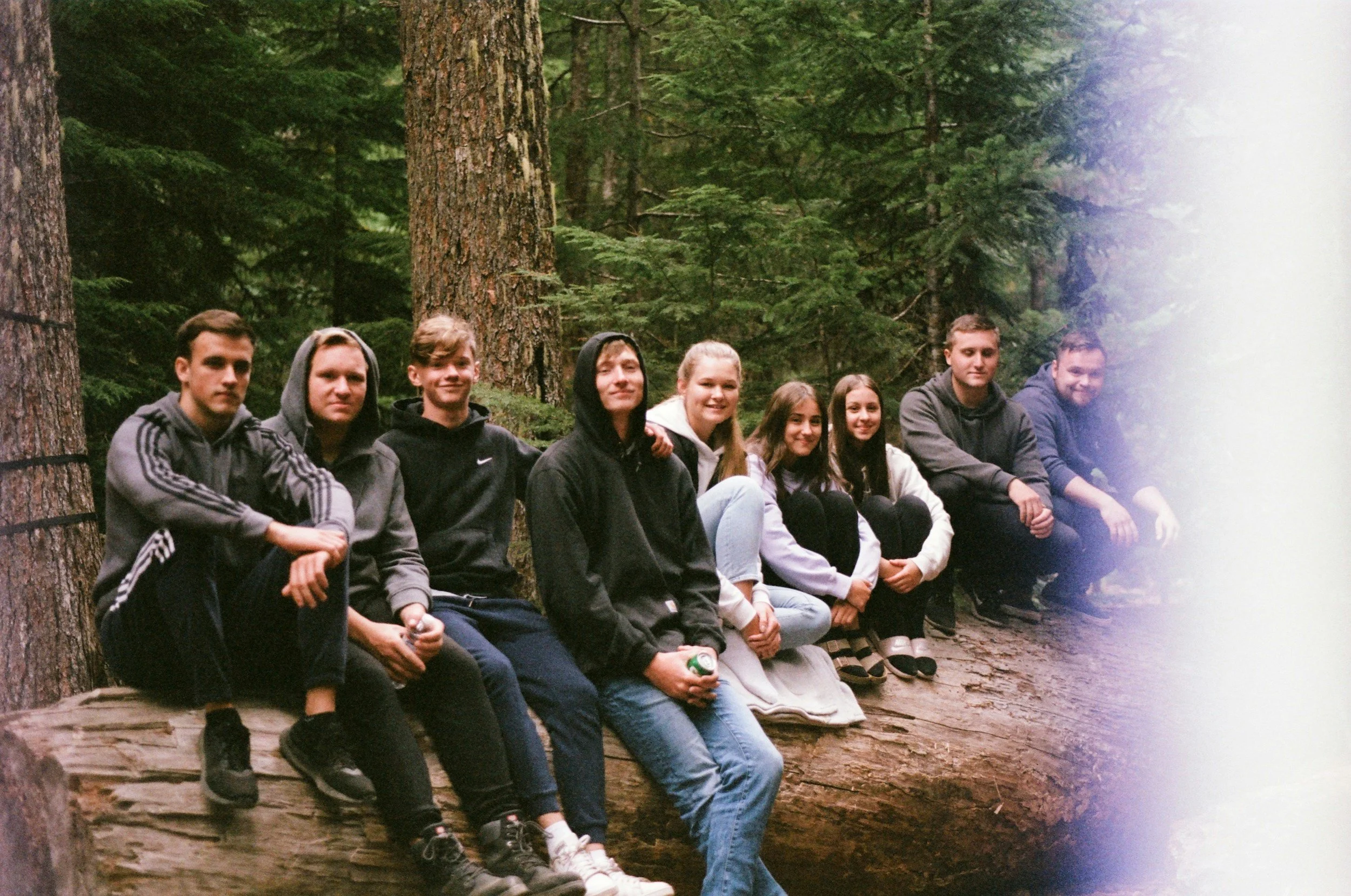
Bring in an instructor for a guided meditation, yoga flow, or breathwork session. This one lands differently than it did five years ago — the workforce has changed, and so has the appetite for this kind of break. Best offered as an option (not a mandate) and scheduled outside core work hours.
8. Live Music or Comedy Performance
Booking a live musician or stand-up comedian for a virtual company event is more accessible than most people think. Platforms have made it straightforward to book and stream, and the experience of watching something live together — even over video — creates shared moments that recordings can't replicate.
9. Virtual Wine and Cheese Pairing
A step up from the standard tasting, a wine and cheese pairing event adds a food dimension that makes the whole thing more interactive. Pairing guides, curated selections, and an educator-hosted format turn what could be a casual happy hour into something that feels genuinely elevated — without the stuffiness.
10. Floral Arranging Workshop
Creative, tactile, and genuinely relaxing. A floral arranging workshop is one of those employee appreciation event ideas that surprises people — they didn't expect to love it, and then they absolutely do. Works especially well as a spring or summer event, and the team gets to keep what they made.
Recognition That Means Something
11. Public Shoutouts With Specificity
"Great job everyone" is noise. "Sarah stayed until 9 PM three nights in a row to get the Henderson launch across the line, and it worked" is recognition. The specificity is the entire point. Build a regular cadence — weekly team meeting, Slack channel, company newsletter — and make it someone's actual job to collect and share specific wins.
12. Personalized Thank-You Notes from Leadership
Handwritten or thoughtfully composed digital notes from a founder, president, or department head carry a weight that team-wide emails don't. The more personal the reference, the more impact it has. Yes, this takes time. That's precisely why it means something.
13. Employee of the Month (Done Right)
The version of this that fails is the one where the selection process is opaque and the reward is a certificate on a wall. The version that works involves peer nomination, public recognition, a meaningful reward (not a gift card), and a story told about why this person was chosen. The story is the recognition.
14. Anniversary Milestones Worth Celebrating
Work anniversaries are underutilized. A five-year anniversary deserves more than a LinkedIn notification. Build a milestone program that marks meaningful years with a real experience — a hosted virtual event, a donation in the employee's name to a cause they care about, or a day off that isn't tracked as PTO.
15. Spotlight in Company Communications
Feature team members in the company newsletter, on the website, or in external communications. "Meet the team" segments, project spotlights, and behind-the-scenes content that centers real people do double duty: they make the featured employee feel seen and they humanize your company to everyone watching.
16. Peer-to-Peer Recognition Platform
Tools like Bonusly, Kudos, or even a simple Slack channel allow colleagues to recognize each other in real time. Management-driven recognition has limits — peer recognition reaches moments that managers simply don't see. Build the infrastructure for it and the culture follows.
17. Professional Development Budget
One of the most underrated forms of recognition is the message: we believe in your growth. A defined budget for courses, certifications, conferences, or coaching signals long-term investment in the individual. Make it easy to use — no multi-step approval process, no justification essay required.
18. Title Elevation Without Promotion
Not every recognition requires a salary change. Acknowledging increased scope, evolving expertise, or team leadership with a title change signals growth and earns the employee credibility with clients, partners, and future employers. It costs very little and means a great deal.
Perks That Signal Real Thought
19. Flexible Friday Afternoons
Protect Friday afternoons. Make them meeting-free. Let people use them for deep work, personal development, or early logout. The companies doing this consistently report higher satisfaction scores — not because the perk is enormous, but because it signals that the organization trusts its people.
20. Catered Team Lunches (In-Person or Delivered Virtually)
Food is communal. Lunch delivered to remote employees' doors — especially coordinated from a restaurant the team votes on — creates a shared ritual that scales well. For in-person teams, a catered lunch with seating that mixes departments is one of the cheapest, highest-impact culture investments you can make.
21. Subscription Boxes Tailored to Interests
Knowing that someone loves wine, hiking, cooking, or design well enough to send them a thoughtfully curated subscription box says something. Generic welcome kits are fine; interest-aligned gifts are memorable. Take the five minutes to ask. The ROI on attention is extraordinary.
22. Home Office Stipend
For remote employees, a one-time or annual home office allowance communicates that you care about the conditions in which people do their best work. Monitor stand, ergonomic chair, better lighting — these investments pay dividends in focus, health, and the subtle feeling of being set up for success.
23. An Extra PTO Day on Their Birthday
Low-cost, high-symbolism. A birthday is the one day that belongs entirely to a person. Giving it back to them with no strings attached is the kind of move that gets mentioned in reviews, in conversations with friends, and in decisions about whether to leave or stay. Be mindful that not everyone celebrates birthdays, don’t pry if someone doesn’t take advantage of this.
24. Childcare or Eldercare Support
Arguably the most meaningful perk on this list for employees navigating caregiving responsibilities. Backup childcare reimbursement, a referral network, or a modest subsidy removes a concrete stressor that directly affects productivity, retention, and the sense that the company sees the whole person — not just the worker.
25. Mental Health Days, No Questions Asked
Beyond an EAP or wellness app, a policy that allows employees to take a mental health day — spontaneously, without explanation — sends a message that is impossible to fake: we mean it. The number of companies that say they prioritize mental health while simultaneously making the use of wellness benefits feel risky is not small.
Team Events That Build Real Community
26. Virtual Happy Hour (With a Purpose)
The unstructured virtual happy hour has a mixed track record. Give it a structure — a theme, a game, a conversation prompt — and it improves dramatically. The purpose doesn't need to be elaborate. A "show us your home workspace" tour or a "what are you currently obsessed with" round-robin gives people something to do besides stare at a grid of faces.
27. Charcuterie Board Making Workshop
Hands-on, visually satisfying, and somehow always more fun than it sounds on paper. A guided charcuterie workshop — whether virtual with kits shipped ahead of time, or in-person with a facilitator — is one of those employee appreciation event ideas that lands with everyone regardless of food preferences or dietary restrictions (it's flexible by nature).
28. Virtual Cooking Competition
Assign the same ingredient or theme and let teams compete. A panel of judges (also internal) evaluates the results. The competition format introduces stakes that are just high enough to be exciting, and the creativity it surfaces is always a pleasant surprise.
29. Book or Podcast Club with Real Airtime
The book clubs that fail are the ones where nobody has time to do them justice. Make it work by building it into a meeting slot, keeping the reading short and relevant, and ensuring leadership participates visibly. When the CEO shows up to discuss the same podcast episode as the newest hire, something shifts.
30. Volunteer Day Together
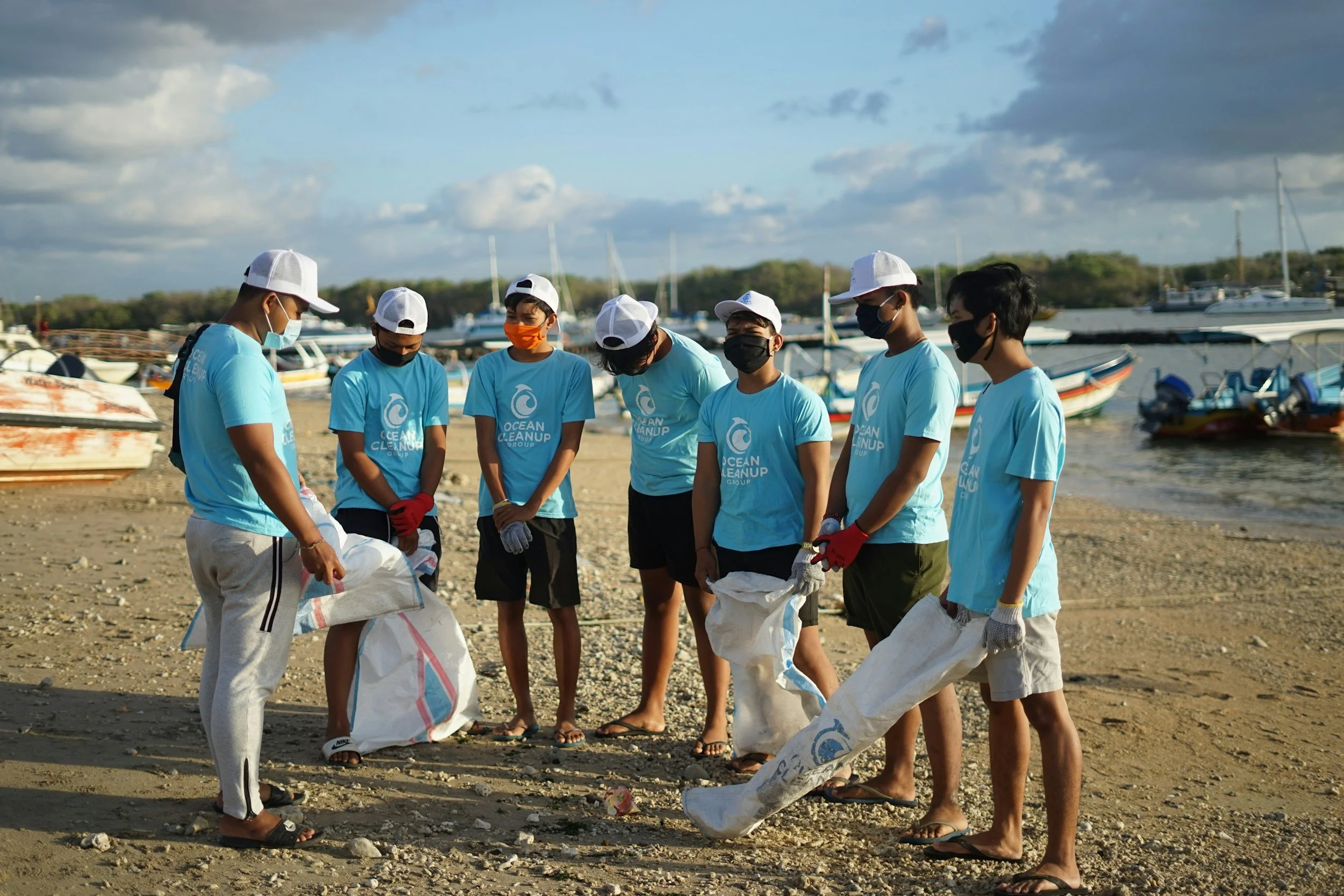
Coordinated volunteer work — whether in-person or virtual (yes, virtual volunteering is very real) — is one of the highest-impact employee appreciation event ideas for teams that care about purpose. Choose a cause with input from the team. The shared mission context creates connection that optional social events can't manufacture.
31. Internal Hackathon or Innovation Day
A day where teams work outside their normal scope on a problem they choose is energizing for the people who are quietly brimming with ideas but never have the space to use them. Make the output visible — present findings, award creativity — and you've created a recognition mechanism that works in every direction.
32. Game Day (Virtual or In-Person)
The roster of virtual game platforms has expanded dramatically. Jackbox, Gartic Phone, skribbl.io, online board game platforms — there is no shortage of options. Keep teams small (6–10) and rotate so people mix across departments. The informal interactions are the whole point.
33. Wellness Challenge With Real Prizes
Step challenges, sleep tracking, mindfulness streaks — the key is making it opt-in, non-competitive in a way that penalizes people with physical limitations, and anchored to prizes that are genuinely desirable. A wellness challenge that ends with the top participants choosing from a curated experience menu lands very differently than one that ends with a branded water bottle.
Client Appreciation Worth Noting
34. Host a Client Appreciation Virtual Wine Tasting
Everything described in idea number one applies here, too — and perhaps more powerfully. A hosted virtual wine tasting for a client group signals investment, creativity, and the kind of attention to detail that generic client dinners can't match. It's also something your clients' teams will genuinely enjoy and remember, which is the entire point of a client appreciation event.
Get in touch to plan a client appreciation event.
35. Personalized Thank-You Gifts for Key Accounts
Not a branded tote. Not a mass holiday send. A gift chosen specifically for the recipient — a book they mentioned, wine from a region they visited, something that says "we were paying attention" — creates a relationship moment that compounds over time.
36. Client Lunch or Dinner (Virtual or In-Person)
Dedicated time outside of project conversations — no agenda, no deliverables — is increasingly rare and therefore increasingly valuable. A hosted lunch or dinner, framed explicitly as appreciation rather than business development, communicates a maturity in the relationship that clients notice.
Corporate Entertainment Ideas That Deliver
37. Comedy Improv Workshop
A professional improv instructor leads the group through exercises that are objectively ridiculous and secretly brilliant for communication. "Yes, and" is a workplace superpower disguised as a theater game. Teams leave looser, more collaborative, and almost uniformly surprised by how much they enjoyed it.
38. Sommelier Q&A Session
A dedicated Q&A with a certified wine professional — no tasting required, just questions — is a surprisingly engaging corporate entertainment idea for groups that want something educational without committing to a full event format. Works well as a 30-minute add-on to an all-hands or company gathering.
39. Magic Show (Seriously)
Virtual magic performances have become remarkably sophisticated. A professional magician who performs specifically for remote audiences — with camera-based tricks designed for the format — creates a shared "wait, how did that happen" moment that is genuinely hard to replicate any other way.
40. Musical Bingo
Themed playlists, digital cards, and a host who knows how to keep energy up — musical bingo is one of the most accessible corporate entertainment ideas for mixed groups because the format is familiar and the music creates instant emotional connection. Theme it to the decade, the genre, or the season.
Recognition During the Everyday
41. Surprise Half-Day Off
No meeting cancellations required, no special occasion — just a message that says "we're giving everyone this Friday afternoon back." The spontaneity is part of the impact. Planned perks are expected. Unplanned ones create goodwill that sticks.
42. Team Celebration for Every Win, Not Just the Big Ones
The quarterly revenue milestone gets the party. The individual who closed their first deal, shipped their first feature, or handled a difficult client call with grace often gets nothing. Build micro-recognition into the culture so the small wins accumulate into a felt sense of progress and visibility.
43. Manager-to-Report One-on-One Appreciation Conversations
A dedicated conversation — not a performance review, not a project check-in — where a manager explicitly talks through what an employee does well and why it matters is rarer than it should be. Make it scheduled, sincere, and specific. The impact-to-effort ratio is among the highest of anything on this list.
44. Internal Mentorship Program
Being invested in through mentorship is a form of recognition. Pairing junior employees with senior leaders communicates that the organization sees long-term potential in them. Design it intentionally: clear expectations, regular touchpoints, and an ending point that doesn't just fade out.
45. Skills-Based Recognition in Team Meetings
Explicitly calling out specific skills — "the way you structured that presentation was exactly right" or "your stakeholder management on this was exceptional" — rather than generic praise gives employees a vocabulary for their own strengths. It also signals that leadership is paying close attention, which is its own form of appreciation.
Appreciation at Scale
46. Company-Wide Appreciation Week
A themed week with daily activities — a trivia day, a team lunch, a recognition wall, a hosted virtual event on Friday — gives the entire organization something to look forward to together. The cumulative effect of sustained attention over five days beats a single event every time.
47. Anonymous Feedback Made Visible
Running a company-wide appreciation pulse where employees share what they value about their teams — and then making the results visible in team meetings — creates a mirror the organization rarely holds up for itself. People are often better at appreciating each other than they are at saying it. Create the structure for it.
48. Quarterly Experience Budget per Team
Give each team a defined budget per quarter to plan their own appreciation activity. The choices they make — the wine tasting, the cooking class, the trivia night — reflect their culture, and the autonomy itself is part of the appreciation. One rule: the activity has to involve the whole team.
49. Year-End Experience Instead of Year-End Bonus
This won't work everywhere, and it shouldn't replace competitive compensation. But for teams that already feel financially valued, a meaningful end-of-year experience — a fully hosted tasting, a travel experience, a cooking weekend — creates memories that a direct deposit never could. The experience becomes a shared reference point for years.
50. Ask What They Want (Then Do It)
Revolutionary concept: survey your team. Not a 40-question engagement platform survey — a simple, three-question ask. What would make you feel more appreciated? What's one thing we could do differently? What's working? Then do something about it. The listening is itself a form of appreciation, and the action that follows is what earns trust.
Make Appreciation a Practice, Not a Policy
The companies with genuinely high retention and strong culture don't have better appreciation budgets — they have better appreciation habits. Recognition is consistent. Experiences are thoughtful. Events feel like they were planned by someone who truly knows the people attending.
If you're looking for one place to start that checks every box — turnkey to execute, genuinely fun to experience, and built to make everyone in the room feel included regardless of what they know about wine — a corporate virtual wine tasting with couch + cork is that place. We also execute mixology, wine and cheese, trivia, floral arranging and charcuterie-board design events.
Companies like Amazon, DoorDash, and Bayer have trusted couch + cork to deliver exactly that: a hosted, end-to-end experience that their teams still talk about. Wine is curated, shipped, and explained. The hosting is warm, witty, and never remotely stuffy. And you do essentially nothing except show up.
Get in touch and we'll put together a custom event for your team — group size, date, format, all of it. No obligation, no sales pressure, just a conversation about what would make your people feel genuinely valued.
Because they deserve more than a gift card.
couch + cork is a woman-owned corporate virtual wine tasting company based in Bennington, VT. We host wine tastings, mixology sessions, wine and cheese pairings, and creative workshops for corporate groups of 10 to 10,000 — worldwide. Every event is educator-led, fully managed, and completely free of pretension.